Feel Like Yourself Again: Natural Support for Menopause and Women's Health

Nobody warns you how much menopause can shake your confidence in your own body. The 3am wake-ups. The flush that arrives mid-meeting. The brain fog that has you doubting words you have used for thirty years. Meanwhile everyone tells you it is "just a phase".
It is a natural transition, yes. Natural does not mean easy. And you do not have to white-knuckle it alone.
I am Rebecca, owner of Serene Wellbeing Therapies and I’ve been where you are so I know how to support women like you who are going through perimenopause, menopause and beyond using yoga therapy, Ayurveda and Bowen therapy.
These are not off-the-shelf wellness programs. Each session is built around your symptoms, your energy and your actual life, so the changes you make are ones you can keep.
I work alongside your GP or specialist, never instead of them. Hormone therapy, if you use it, fits comfortably with everything we do here.
-

Who Do I Work With?
Women come to me at every age and stage:
Managing period pain, PMS or fertility concerns at any age
Experiencing early perimenopause, sometimes from the late 30s, often years before anything obvious happens with periods
Deep in the transition, sleep gone, patience gone, wondering where they went
Post menopause, wanting to rebuild strength, steadiness and a sense of self
You do not need a diagnosis to start. If you are not sure whether what you are feeling is hormonal, the first conversation is exactly the place to untangle it.
-
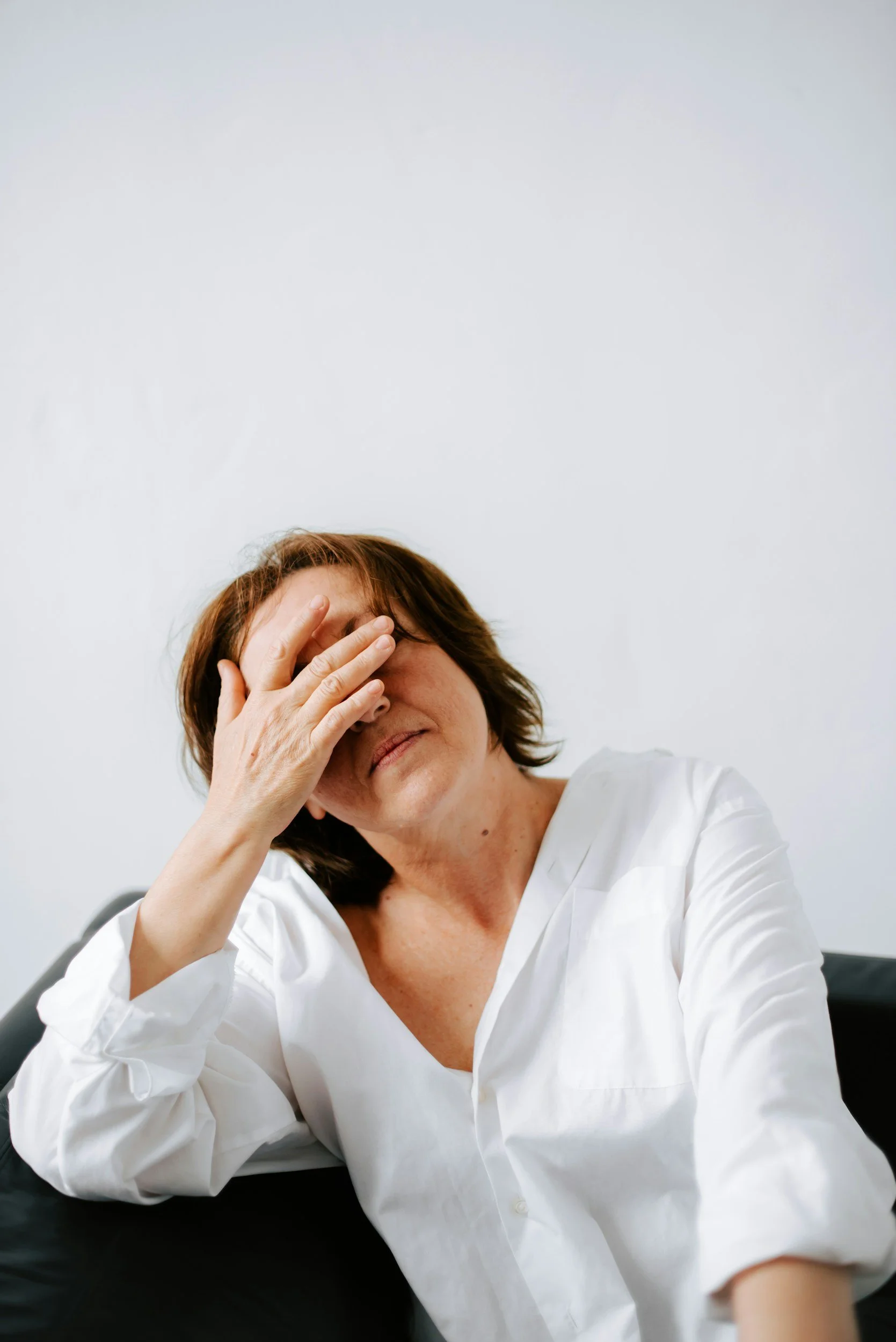
Some Of The Common Issues?
Hot flushes and night sweats
Broken sleep
Anxiety, irritability or mood swings
Brain fog
Exhaustion that rest does not fix
Stiff joints that make movement heavier than it used to be
Digestive changes
Weight changes
Low libido
And the one nobody says out loud until the second session: grief for the woman they used to be. That is not weakness. That is a normal response to a genuine change, and there is room for it here.
-

What Does The Research Say?
Most women will be affected by symptoms of menopause and in Australia, menopause typically occurs between 45 and 55.
On yoga: the evidence is strongest for mood, sleep and overall symptom support. A 2025 meta-analysis of 24 randomised controlled trials with over 2,000 participants found yoga significantly improved total menopausal symptoms, sleep quality, anxiety and depressive symptoms (Wang et al., PubMed record). The Australasian Menopause Society rates complementary approaches cautiously, noting yoga "might be helpful for some women" and recommending it alongside, not instead of, medical care (AMS information sheets).
On Ayurveda: research is early but growing. A randomised clinical trial of classical Ayurvedic preparations, run under India's central Ayurvedic research council, found significant improvement in menopausal symptoms measured on standard scales (Modi et al., full text). A double-blind placebo-controlled trial of a standardised Shatavari root extract reported improvements in psychological and somatic menopause symptoms (Cureus trial).
Plain-language symptom information is available from Healthdirect (Healthdirect on menopause).
The Therapies That Help
-
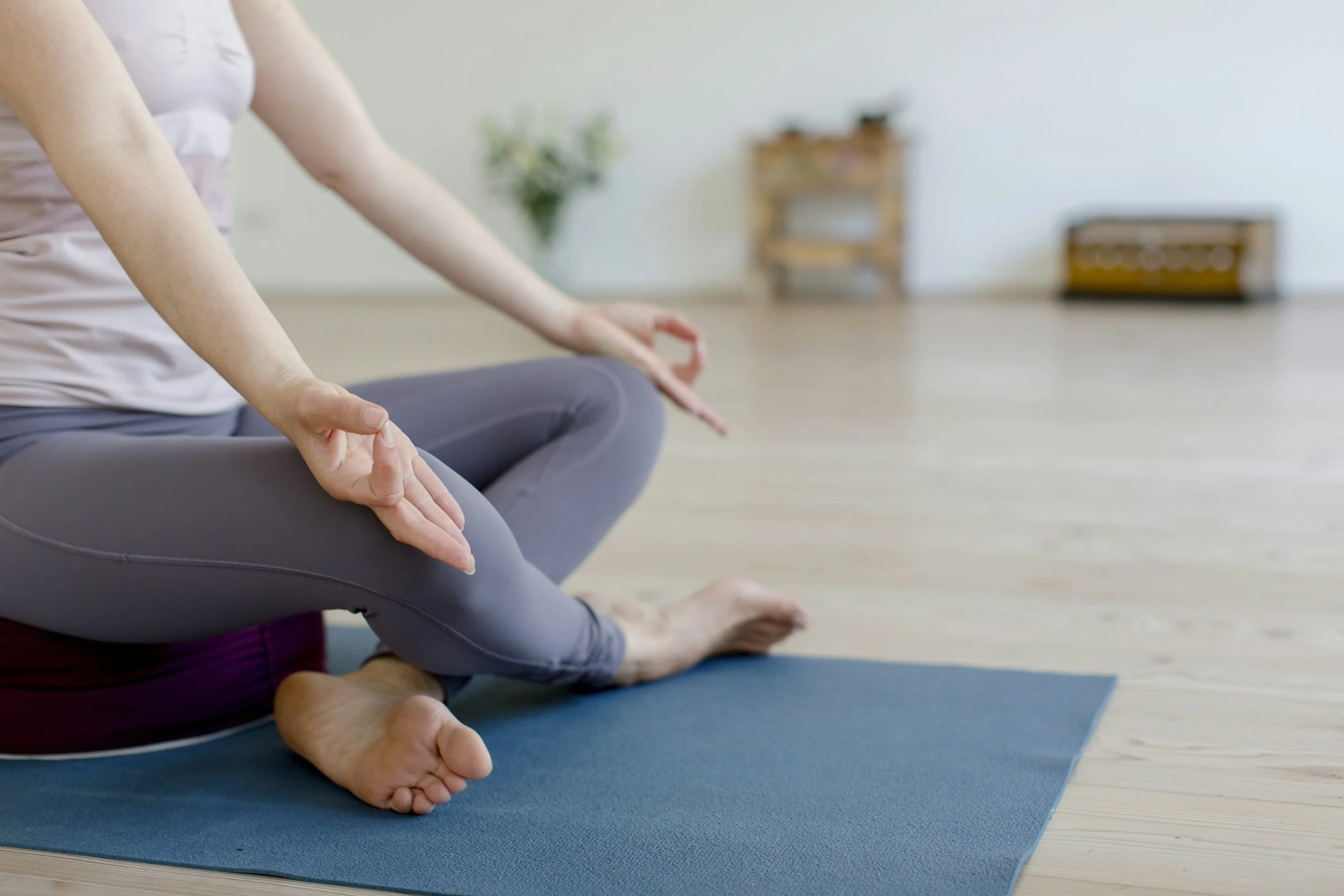
Yoga Therapy
Not a class. A personal practice designed for your body and this stage of your life. Depending on what the week looks like, we might use:
Breath practices to settle the nervous system, especially before bed and when a flush is rising
Gentle movement for stiff joints, scaled to the energy you actually have that day
Restorative poses for the weeks when the tank is empty
Meditation and mantra for a mind that will not switch off
Everything I teach is designed to be done at home, without equipment, in ordinary clothes. The session is where you learn it. Your bedroom floor is where it works.
-
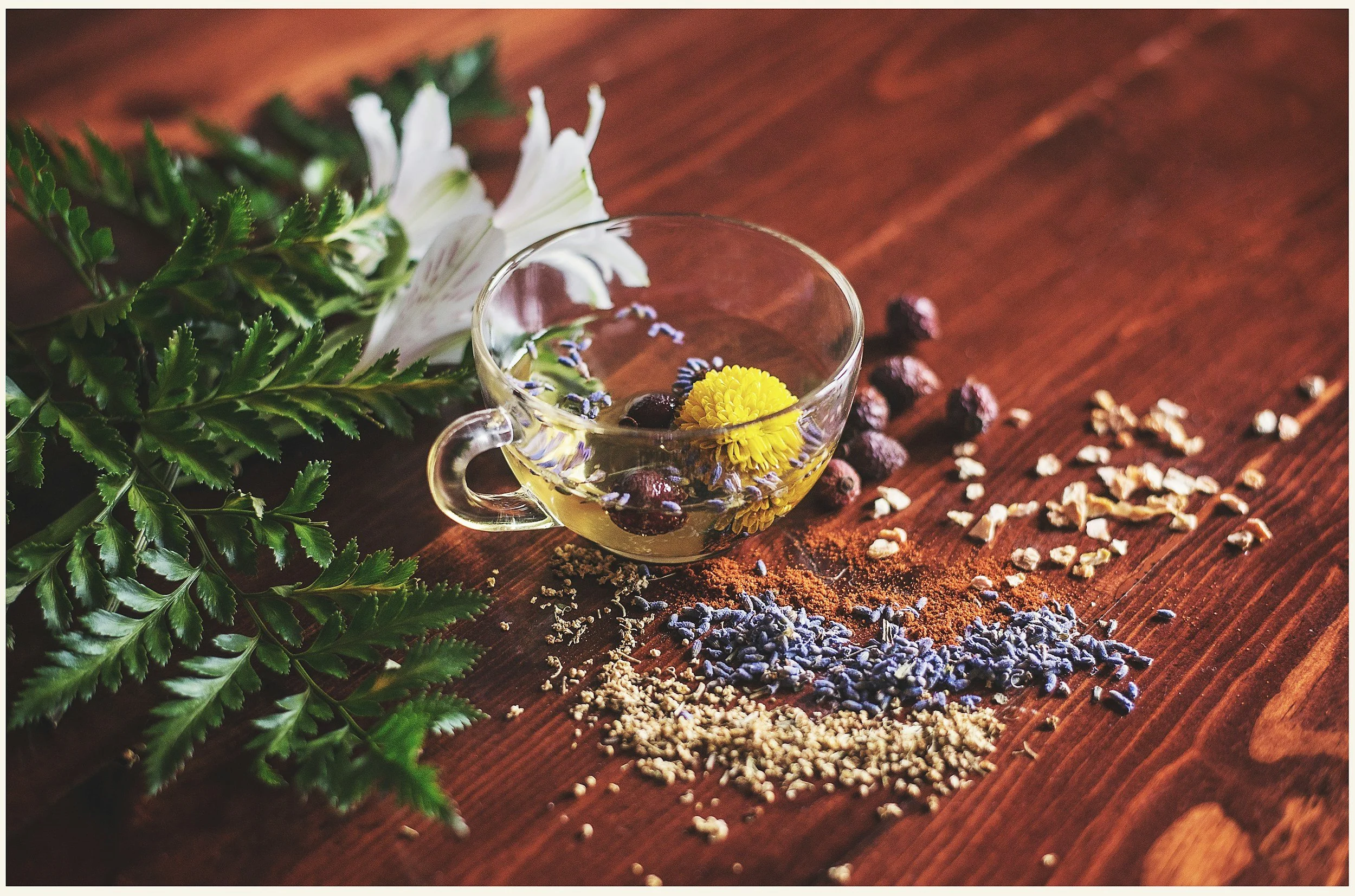
Ayurveda
Ayurveda has walked women through this transition for thousands of years, and its strength is the daily detail. In a consultation we look at your digestion, sleep, stress load and routines, then make small, practical changes such as:
Warm, cooked, properly digestible food at times of day that support steadiness rather than agitation
Evening rhythms that tell a wound-up nervous system the day is finished
Seasonal and stage-specific adjustments, because perimenopause and post menopause ask different things of the body
Realistic swaps you can keep while working, caring for everyone else and running a household
I do not prescribe herbs or replace medical advice. Your GP stays your GP.
-
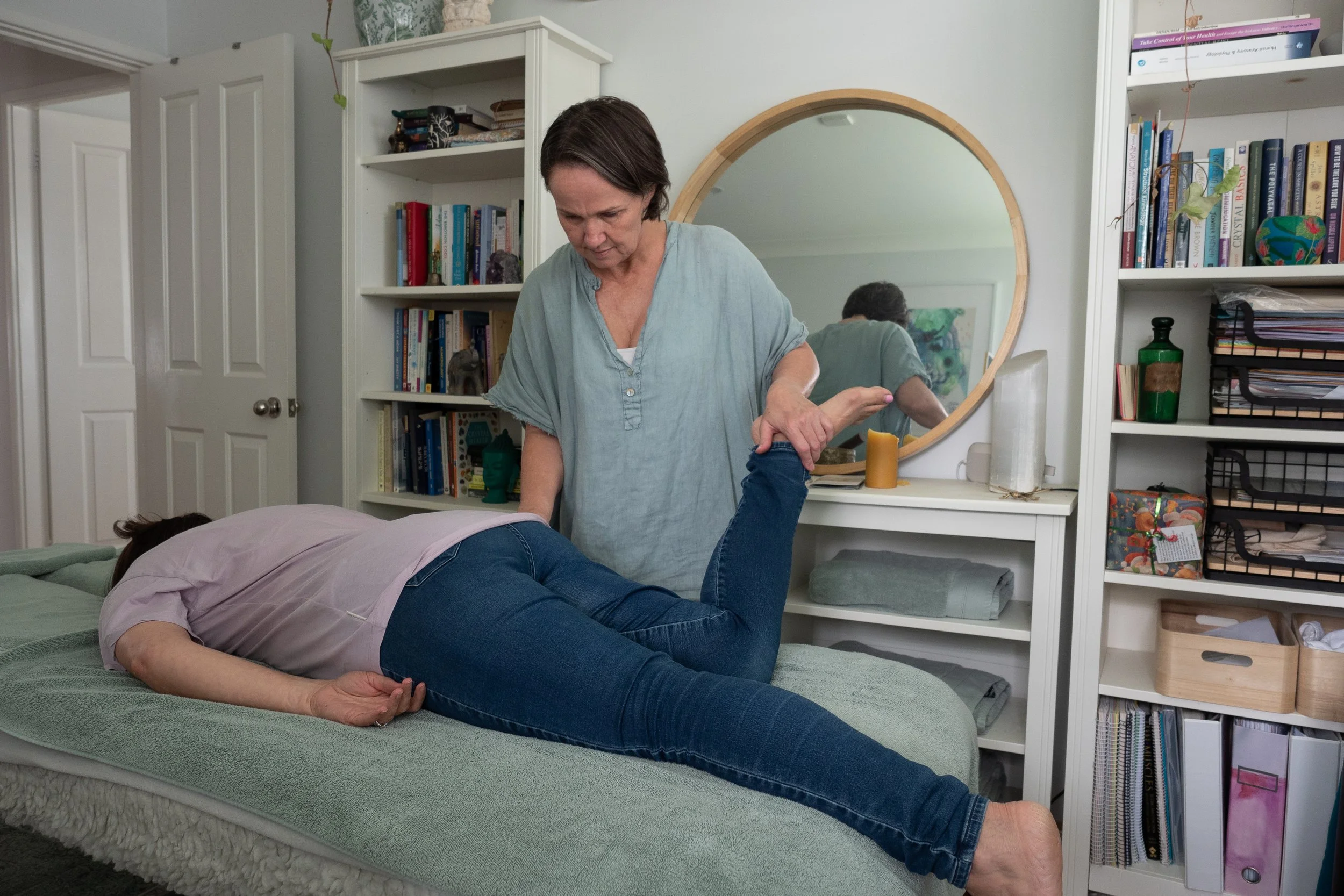
Bowen Therapy
The physical side of hormonal change gets far less airtime than hot flushes, but it matters. Joints feel stiffer. Jaw tension creeps in. The body holds itself in a permanent brace. Bowen therapy uses small, precise moves over muscles and fascia that invite the nervous system to stand down. Women regularly tell me the deepest sleep they have had in weeks arrives the night after a session, and that moving through the day feels easier again.
When You Should See a Doctor First
Straight talk, because you deserve it. Please see your GP before or alongside our work if you have:
Heavy, irregular or new bleeding patterns
Symptoms that began suddenly or are severe
Mental health symptoms that frighten you
Any sign of infection
These need proper medical assessment, and I will say so plainly if I think something belongs with a doctor rather than with me. Everything we do here sits alongside your medical care, never in place of it.

Frequently Asked Questions
-
Step 1. Listen first. We start with an unhurried conversation. What has been happening, what you have tried, what a good outcome actually looks like for you. Nothing gets prescribed before I understand your whole picture.
Step 2. Build the session around the answer. Together we choose what serves you today. That might be a Bowen treatment for the tension in your shoulders, breath work for the 3am wake-ups, or Ayurvedic guidance for the digestion that changed without asking permission.
Step 3. Leave with something you can use. You go home with a short, written practice or routine, small enough to actually happen. Next session we check what worked, what did not, and adjust. Progress comes from the checking, not the perfect plan.
Sessions run for 60 to 75 minutes. Many women come fortnightly at first, then monthly.
-
No. Menopause is a natural stage of life, not an illness. Support aims to ease symptoms and protect your quality of life while the transition does its thing. Medical treatments exist if you need them, and natural support can sit alongside any of them.
-
Yes. Perimenopause can run for years before periods stop, and symptoms can begin well before you connect them to hormones. Healthdirect explains the stages of perimenopause clearly if you want a reliable primer.
-
Absolutely not. Everything we do sits comfortably alongside MHT or any prescribed treatment. Never stop prescribed medication without talking to the doctor who prescribed it.
-
If you’re not sure which therapy will work for you, just book in to Yoga Therapy and we can clarify at your first appointment.
-
Many clients find movement feels easier and sleep is deeper after a session. I will happily tell you on a free call whether Bowen suits your situation.
-
It will really depend on the issue/s you are hoping to resolve.
-
No. Every practice is scaled to your body as it is today. If you can lie on the floor and breathe, you can do yoga therapy.